


Expert Take
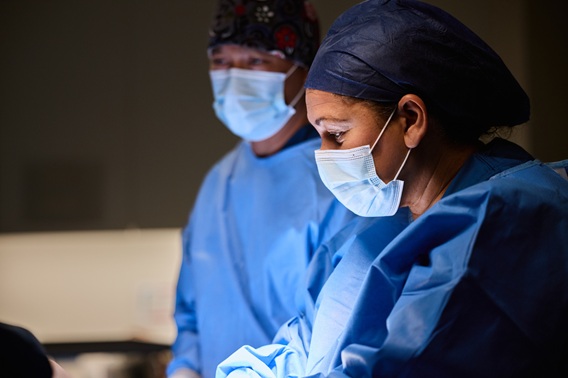
Dr. Marcelo DaSilva: How Specialists Build Your Mesothelioma Treatment Plan
We look at their assessment, physiological assessment, physiologic status, that's one. Then we see what type of meso they have. Is that thilioid, comatoid, mixed?
What are we treating? What are our targets?
Once we determine that, then the next step is to present the patient in a multi modality group in which medical oncologists, radiation oncologists, we all determine whether or not that patient will be able to go through the treatment and surgery. And that's how we determine if I think the patient would not be able to go through surgery we still present in the same fashion but then we let the medical oncologist group and our cancer institute take the lead and we kind of drop on the back and say I'm always available for anything you need but every patient has individualized plan of care.
At a Glance
- Chemotherapy is the most commonly used treatment, with 32% of mesothelioma patients receiving it as part of their care plan.
- Immunotherapy is now FDA-approved as a first-line treatment for pleural mesothelioma and extends median survival to approximately 18 months.
- Surgery offers the strongest survival outcomes for eligible patients, with some peritoneal patients achieving 5-year survival rates of 50% to 69% when combined with HIPEC.
- Radiation therapy nearly doubles 2-year and 5-year survival rates when combined with surgery or chemo.
- Peritoneal mesothelioma treatment differs significantly from pleural, with cytoreductive surgery plus HIPEC as the central approach.
View Best Treatment Options for Your Diagnosis
We’ve carefully reviewed leading medical research and incorporated insights from specialists and real patient experiences to show the treatments with the most promising results for each type of mesothelioma. This information is not professional medical advice. It’s intended to provide clear, research-based guidance to open the conversation with your health care team.
Not Sure Which Type?
Learn About Mesothelioma TypesBest Treatments for Pleural Mesothelioma
Treatment for pleural mesothelioma, which affects the lining of the lungs and is the most common type of this cancer, typically involves systemic or whole-body therapies. This includes chemo and immunotherapy, often combined with surgery and radiation for patients who qualify. Most specialists recommend combining approaches, known as multimodal treatment, to attack the cancer from multiple angles for the best outcomes.
We’ve ranked the order of these pleural mesothelioma treatments based on what’s best for most people diagnosed with this type of cancer. As an example, specialists say chemotherapy, followed by or combined with immunotherapy, is likely the first and second treatments they consider for people diagnosed with peritoneal mesothelioma.
Chemotherapy
Best for
What is chemotherapy?
Standard medicines
Key stats
- More than 65% of patients on chemo live 3+ years.
- 3X greater survival when combined with other treatments.
- 8 in 10 pleural patients we surveyed received chemotherapy.
What doctors say
“Even if you have surgery, you usually need additional treatment such as chemotherapy… For patients who cannot have surgery, systemic treatment is still important to control the cancer.”

Dr. Hedy Lee Kindler, Associate Vice Chair for Clinical Research at University of Chicago Medicine
What survivors say
“I had a lot of life left to live. I was tired from the chemo, but I wanted to give it one more try. I’d encourage others to do the same.”

Barbara L., Pleural Mesothelioma Survivor
Immunotherapy
Best for
What is immunotherapy?
Standard medicines
Key stats
- Clinical trials show 2-year survival of 41% vs. 27% with chemo alone.
- 1 in 3 pleural patients we surveyed received immunotherapy.
What doctors say
“I have personally witnessed the significant impact immunotherapy has had on improving survival for some patients with certain types of mesothelioma.”

Dr. Andrea Wolf, Director of the New York Mesothelioma Program at Mount Sinai
What survivors say
“I tell people today, I’m a walking miracle. They don’t believe in miracles. Then they see me.”
Barbara L., Pleural Mesothelioma Survivor who receives Keytruda 3 times per week
Radiation Therapy
Best for
What is radiation therapy?
Most common types
Key stats
- Radiation nearly doubles 2-year and 5-year survival rates when combined with other treatments.
- 1 in 3 pleural patients we surveyed received radiation.
What doctors say
“So when you do mesothelioma surgery… the issue of localized recurrence can occur. And so those patients, we do recommend they undergo either radiation or additional surgical intervention.”

Dr. Jeffrey Velotta, Thoracic surgeon at Kaiser Permanente Oakland Medical Center
What Survivors Say
“Radiation for pleural mesothelioma isn’t fun, but it’s manageable. It took us fully a year to get my SAbR/PULSAR radiation treatment at UT Southwestern in Dallas approved… and I doubt that I would be here without it.”

Michael Cole, Pleural Mesothelioma Survivor
Surgery
Best for
What is surgery?
Most common types
Key stats
- 24% of early-stage pleural patients lived 5+ years following tumor-removing surgery.
- 7 in 10 pleural patients we surveyed had surgery.
What doctors say
“I feel surgery first, followed by systemic therapy (e.g. chemotherapy, immunotherapy or both) is the best multimodality approach for mesothelioma.”
Dr. Jeffrey Velotta, Thoracic surgeon at Kaiser Permanente Oakland Medical Center
What survivors say
“I believe that the aggressive treatment I had in the beginning was absolutely necessary to give me a chance to be here now, and I am grateful for the decision that we made.”
Michael Cole, Pleural Mesothelioma Survivor
Why Are These the Best Treatments for Pleural Mesothelioma?
These are the top pleural mesothelioma treatment approaches because they consistently deliver the strongest survival outcomes and quality-of-life improvements across different stages of pleural mesothelioma. Most patients receive a combination of these treatments rather than a single approach, with individual plans customized depending on cancer stage, overall health and personal treatment goals.
How These Treatments Help Pleural Patients
- Chemotherapy: Works for most people regardless of surgical eligibility, shrinking tumors and improving quality of life across all stages.
- Immunotherapy: FDA-approved regimens now offer people who don’t qualify for surgery a median survival of 18 months and 2-year survival rates that are significantly better than with chemo alone. A 2026 study published in the Journal of Clinical Oncology found that using Yervoy and Opdivo as first-line treatment for pleural mesothelioma improved overall survival compared with chemotherapy alone.
- Radiation: Provides precise tumor targeting with modern techniques like IMRT, reducing recurrence from 42% to 14% compared to conventional radiation.
- Surgery: Offers the strongest survival outcomes for eligible patients, particularly when surgery is combined with chemo, radiation, immunotherapy or a combination of these in early-stage disease.
The National Cancer Database shows the greatest survival rates among pleural mesothelioma patients who received surgery and chemo. When combined strategically, these treatments attack cancer from multiple angles and give doctors flexibility to adjust plans as needs change throughout the treatment journey.

Connect with top-rated doctors specializing in mesothelioma treatment, who will personalize treatment options based on your diagnosis.
Find Your SpecialistStories From Pleural Mesothelioma Survivors, Specialists
Pleural mesothelioma survivors, doctors and other experts explain how these treatments have improved their quality of life and extended their life expectancies. Watch as they share their inspirational stories.
Consider these insights when consulting with your doctor. They may help you determine the best treatment for your pleural mesothelioma.


Undergoing Mesothelioma Surgery
The first treatment for the mesothelioma was a pleurectomy decortication, which is an operation. They cut through the middle of your back, between your ribs to the almost the middle of your front. It was supposed to be a eight inch incision, but it looks more like twelve. It, they had to remove a rib. They took the cancer that was collected around my the plural, lining of my lung and it was scraped off. I had six lymph nodes cut off. Two of them turned out also positive for mesothelioma. So I was pretty close to the stage where I was still a candidate to have the operation done, because it hadn’t, spread further.
Sharing My Mesothelioma Surgery Experience
I knew that I would be in the hospital for, you know, at the very least a week. And that I was going to have radiation for five weeks after that. Doctor Cameron said you will probably be in pain for, like, a year. And he said, well, Kim, some patients, when they bend over, they get short of breath. Because I’m probably going to rearrange reconstruct your diaphragm. And so you might have that. You may have coughing. You may have increased flem and secretions. You may have shortness of breath, but you will be able to go back to work. And I said, really. And I said, okay. That sounds great to me. Jeanette came came with me. She stayed in the hospital, and my friend Stacy came. And my husband, Richard, they allowed the three to stay in the hospital room with me. My surgery ended up being about eight hours. I woke up. I remember going in, and I was nervous. You know, I thought, well, what if I don’t wake up? Prior to the surgery, had my will taken care of, my trust. I I kind of wrapped up those kind of legal issues. And, When I woke up, I remember thinking, I made it. I made it. I, you know, I knew that as a nurse, that there was a possibility that I I could maybe not make it through surgery, but I remember saying to my cousin who was there. It was the first face that I call. And I said, oh my gosh, Elaine, you’re here. I I made it. And really, after that, I thought, well, I don’t wanna say I was home free, but I thought, okay. Oh, you’re gonna be fine, Kim.
What Is Immunotherapy?
[MUSIC PLAYING] So immunotherapy is a new technique that
has been looked at in terms of, it boosts their own immune cells. So the idea is you target a specific protein in the immune system and that will actually enhance the immune cells in your body to go ahead and attack the mesothelioma or cancer cells, specifically. So we normally have normal immune cells that are normally protecting us from infection or for other things, but this, just based on certain pathways that we know are active in cancer, then you boost that activity so that the immune cells will actively try to attack and engulf or eat, as you will, the cancer cells.
And so that's really where immunotherapy is going to be beneficial because it's thought to be a, quote unquote, "more natural way," and not necessarily like chemotherapy, where you're actually giving a toxic substance that will kill and attack and does not have a preference for mesothelioma cells. It has a preference for all cells. And so I think that's where immunotherapy is going to be a nice addition.
Recommendations Among Doctors
In 2025, The Mesothelioma Center surveyed doctors and nurses about their recommendations for pleural mesothelioma treatment approaches. The chart shows that respondents favored chemotherapy plus immunotherapy, which aligns with our ranking of the best treatments.
| Treatment Approach | % of Respondents |
|---|---|
| Chemotherapy + Immunotherapy | 39% |
| Surgery (P/D or extrapleural pneumonectomy) | 18% |
| Multimodal (combination of surgery, chemo, immunotherapy, radiation) | 17% |
| Chemotherapy (e.g., pemetrexed + cisplatin/carboplatin) | 16% |
| Palliative/supportive care | 10% |
Best Treatments for Peritoneal Mesothelioma
For eligible peritoneal mesothelioma patients, cytoreductive surgery combined with heated chemo is often the cornerstone of care for this rare cancer that affects the lining of the abdomen. A higher percentage of people qualify for surgery compared to pleural patients. When combined with HIPEC, this approach has produced the longest survival times for peritoneal mesothelioma.
We’ve ranked the order of these peritoneal mesothelioma treatments based on what’s best for most people diagnosed with this type of cancer. For example, specialists agree that cytoreductive surgery combined with HIPEC is likely the first treatment they consider for people diagnosed with peritoneal mesothelioma.
Cytoreductive Surgery + HIPEC
Best for
What is CRS+HIPEC?
Standard approach
Key Stats
- Achieves 5-year survival rates of 50% to 69% for peritoneal mesothelioma, some achieve 75%.
- 6 in 10 peritoneal patients we surveyed have undergone CRS+HIPEC.
What Doctors Say
“I tell my peritoneal mesothelioma patients, with the good treatment we use now, the median survival can increase years versus the survival rate without treatment.”

Dr. Charles Conway, Director of surgical oncology at the Ridley-Tree Cancer Center
What Survivors Say
“Just as with any surgery, HIPEC has its risks and side effects. Several studies have shown that HIPEC surgery drastically improves life expectancy in about half of the peritoneal mesothelioma patients who have it. As for me, the benefits outweighed the risks!”

Tamron Little, Peritoneal mesothelioma survivor diagnosed in 2007
Chemotherapy
Best for
What is surgery for peritoneal mesothelioma?
Standard medicines
Key stats
- Can extend survival and improve quality of life when surgical options are limited.
- 9 in 10 peritoneal patients we surveyed received chemo.
What doctors say
“For patients who cannot have surgery, systemic treatment is still important to control the cancer.”
Dr. Hedy Lee Kindler, Associate vice chair for clinical research at University of Chicago Medicine
What survivors say
“I was given a new chemo cocktail every 21 days for three months. In 2012, I was officially in remission! In disbelief, the doctor performed an exploratory scope, and again, everything was clear. I’ve been in remission ever since.”

Kasie C., Peritoneal survivor diagnosed in 2010
Immunotherapy
Best for
What is immunotherapy for peritoneal mesothelioma?
Emerging approaches
Key stats
- Early evidence suggests immunotherapy may benefit select peritoneal patients, with ongoing trials testing effectiveness.
- 1 in 6 peritoneal patients we surveyed participated in immunotherapy clinical trials.
What doctors say
“The combination of [Opdivo] and [cytoreductive surgery] resulted in a long-term survival in this patient with sarcomatoid-predominant peritoneal mesothelioma.”

Dr. Paul Sugarbaker, President of the Foundation for Applied Research in Gastrointestinal Oncology, in a recently published case study
What survivors say
“I can only receive the immunotherapy for 2 years. It will not cure mesothelioma. It will slow it down or put it in a form of remission.”

Tami P., Peritoneal mesothelioma survivor diagnosed in 2021
Why Are These the Best Treatments for Peritoneal Mesothelioma?
Peritoneal mesothelioma requires a different treatment strategy than pleural mesothelioma, with surgery playing a more central role. Cytoreductive surgery with HIPEC has become the gold standard because it directly targets cancer in the abdominal cavity where it develops, achieving 5-year survival rates that far exceed other approaches.
How These Treatments Help Peritoneal Patients
- Chemotherapy: Helps slow disease progression when surgery isn’t possible, or cancer has recurred, and manages symptoms like abdominal pain and fluid buildup.
- Cytoreductive surgery + HIPEC: Combines surgical removal of all visible tumors with targeted heated chemo, offering eligible patients 5-year survival rates of 50% to 69%
- Immunotherapy: Researchers are testing whether immune-based treatments that work for pleural mesothelioma can be adapted to benefit peritoneal patients.
Higher percentages of peritoneal patients qualify for surgery compared to pleural patients because the cancer is usually contained within the abdominal cavity. When patients can undergo cytoreductive surgery with HIPEC, this approach has consistently produced the best long-term outcomes for peritoneal mesothelioma.

Discover financial assistance programs, insurance guidance, and veteran benefits to help cover your mesothelioma treatment expenses.
Get Financial HelpStories From Peritoneal Mesothelioma Survivors, Specialists
Peritoneal mesothelioma survivors, physicians and medical specialists describe how current treatment options have enhanced patients’ quality of life and contributed to longer life expectancies. Watch as they share their experiences and inspiring stories.
Keep these insights in mind when meeting with your peritoneal mesothelioma specialist. They can help guide your conversation, clarify your options and support you in choosing the most appropriate treatment plan for your peritoneal mesothelioma.


Multimodal Treatment for All Mesothelioma Types
Most mesothelioma patients receive multimodal treatment, with specific combinations depending on cancer type, stage and overall health. Multimodal therapy combines treatment types to attack mesothelioma from multiple angles. Research shows combining treatments often achieves better outcomes than single-treatment approaches, with the National Cancer Database showing the greatest survival rates among patients who received surgery and chemotherapy.
Common Multimodal Approaches by Type
- Pleural mesothelioma: Chemotherapy and immunotherapy combination as first-line treatment, with surgery and radiation added for eligible patients.
- Peritoneal mesothelioma: Cytoreductive surgery with HIPEC delivers both surgical removal and heated chemo in one procedure, with systemic chemotherapy added if cancer recurs.
- Pericardial and testicular mesothelioma: Surgery when possible, with chemo or radiation added based on individual circumstances.
The key advantage of multimodal therapy is flexibility. Doctors can adjust treatment plans as your cancer responds and your needs change throughout the treatment journey, combining therapies strategically to maximize effectiveness while managing side effects.

Tammy F.
25-Year Peritoneal Mesothelioma Survivor Discusses Her Recovery
Tammy was diagnosed with peritoneal mesothelioma in 1999. She shares that as part of her multimodal treatment plan, she also underwent chemotherapy and radiation.
Tammy F.
Palliative Care for All Mesothelioma Types
Palliative care focuses on relieving symptoms and improving the quality of life for mesothelioma patients at any stage. Research shows palliative care can improve quality and length of life when integrated throughout a patient’s treatment journey, not just at the end of life. Palliative procedures and supportive treatments work with curative therapies to manage pain, breathing difficulties and other symptoms.
Common Palliative Approaches by Mesothelioma Type
- Pleural mesothelioma: Thoracentesis is a common palliative approach that removes fluid around the lungs to ease breathing, while pleurodesis prevents fluid from returning.
- Peritoneal mesothelioma: Paracentesis, for example, drains abdominal fluid to reduce swelling and discomfort, with ongoing catheter placement for repeated drainage if needed.
- Pericardial and testicular mesothelioma: Pericardiocentesis removes fluid from around the heart in pericardial cases to improve heart function and reduce chest pain.
Treatments like chemo or radiation can be palliative, improving patient comfort as tumors shrink, pain is reduced and breathing improves. “I don’t think anyone should have to suffer when they don’t have to,” notes Amy Pelegrin, director of hospice care at The Mesothelioma Center. “Your care team can coordinate palliative treatments with your curative therapies to keep you as comfortable and active as possible.”
-
 Trial Tests Limited Surgery for Unresectable Pleural Mesotheliomanews
A new clinical trial at the University of Chicago is testing whether a smaller, symptom-focused surgery can help pleural mesothelioma patients maintain quality of…
 Sean Marchese 04/16/2026

The Future of Mesothelioma Treatment
Clinical trials are advancing the next generation of mesothelioma treatments. Researchers are testing promising approaches like cancer vaccines that train the immune system to attack tumors, gene therapies that alter cancer cells to stop their growth and specialized viruses that infect and destroy cancer cells while sparing healthy tissue. Many of these emerging treatment options are only accessible through mesothelioma clinical trials, offering patients early access to potentially life-extending treatments.
Several studies focus on combination treatments that build on today’s gold standard therapies to achieve even better results. For example, Ofev, a medication approved for pulmonary fibrosis, is now in phase III trials for pleural mesothelioma. Other trials are exploring a future of treatments combining immunotherapy.
Joining a clinical trial can give you additional treatment options, especially if standard therapies haven’t worked or you’re looking for more aggressive approaches. Your mesothelioma doctor can help determine if a trial may be right for you.

Exclusive Content
Dr. Jeffrey Velotta: Specialist’s Take on Future Treatments
How to Find the Best Mesothelioma Treatment for You
Your treatment plan will be customized for your personal health and goals. Finding the right specialist for your specific case is critical. A Patient Advocate personally connects you with mesothelioma experts matched to your diagnosis, navigates insurance coverage, secures financial resources to cover treatment costs and provides information about clinical trials. Your Patient Advocate will guide you from diagnosis through treatment, ensuring you and your loved ones have the support and information needed to make confident decisions about your care.
Questions to Ask Your Mesothelioma Doctor
Bring these questions to your next appointment to help guide treatment decisions and feel more informed about your care. Your answers will help you understand your specific situation and what treatment options make the most sense for you.
- What type and stage of mesothelioma do I have?
- Can my cancer be removed with surgery?
- What treatments do you recommend and why?
- Am I a candidate for a clinical trial?
- What side effects should I expect?
- Should I get a second opinion from a mesothelioma specialist?
- How will we know if the treatment is working?
Getting clear answers to these questions helps you make confident decisions about your care. Consider bringing a family member or friend to appointments to help remember the information discussed and ask follow-up questions.
Methodology
We identified the best mesothelioma treatments through a multilayered research approach combining firsthand insights with established clinical evidence. Our evaluation considers real-world treatment patterns, specialist recommendations and published outcome data to provide the most accurate picture of current mesothelioma care.
- National health organizations: Outcome data from the CDC, NIH and WHO provide statistical context for treatment effectiveness and survival rates.
- Patient survey: Our 2025 survey of mesothelioma patients and families captured real-world treatment patterns across different types and demographics.
- Peer-reviewed research: Case studies, clinical trials, systematic reviews and meta-analyses inform our understanding of treatment effectiveness and survival rates.
- Specialist conversations: Direct discussions with surgeons, oncologists and radiologists at leading mesothelioma cancer centers reveal how treatment decisions are made in practice.
This comprehensive approach ensures our recommendations reflect both the practical expertise of specialists actively treating mesothelioma and the strongest available clinical evidence. We regularly update this page as new research and survey data become available.


